

What Is 5G and How Does It Work? A Simple Guide
Mobile networks have changed the way people communicate, work, study, and access information. From making phone calls to streaming videos and using online services, wireless technology has become an important part of daily life. Today, 5G is bringing another major development to mobile communication.
But what is 5G and how does it work? Is it simply a faster version of 4G, or does it offer something more? Understanding this technology can help you see how modern mobile networks connect devices and support new digital services.
What Is 5G Technology?
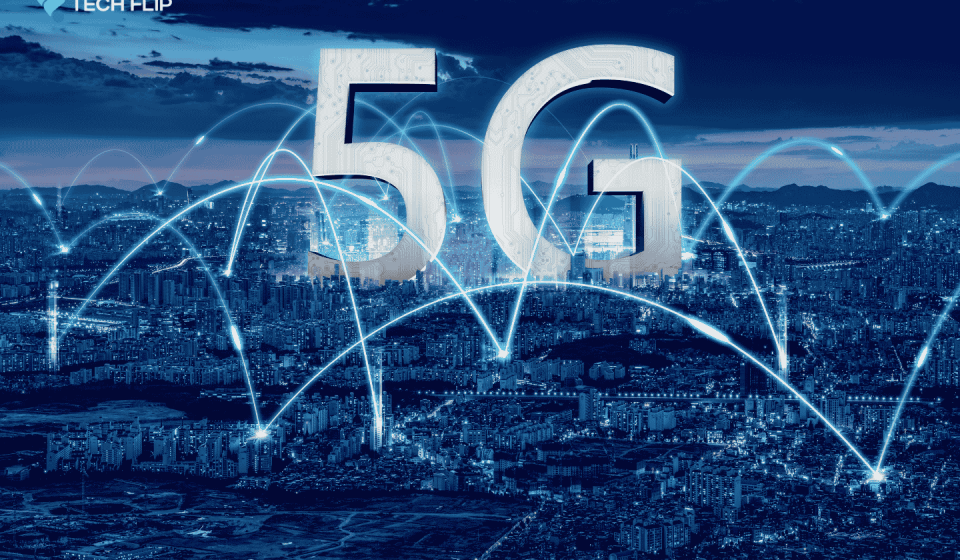
5G stands for the fifth generation of mobile network technology. It is designed to provide faster data speeds, lower response times, and better support for connecting many devices.
Unlike older mobile networks, 5G is designed for more than smartphones. It can also support connected vehicles, smart home devices, industrial machines, and other technologies that need wireless communication.
However, the actual performance of a 5G connection depends on network coverage, signal strength, frequency bands, and the device being used.
How Does 5G Work?
5G works by sending and receiving data through radio waves between mobile devices and nearby network equipment.
When you open a website or stream a video, your smartphone sends a request through a nearby mobile network. The network carries that information to the internet and then sends the requested data back to your device.
Several important technologies help make this process possible.
1. Small Cells and Network Towers
5G networks use mobile towers and small cell stations to provide wireless coverage. Small cells are compact network stations that can help improve coverage and capacity in busy areas.
They are particularly useful in places where many people use mobile data at the same time.
2. Radio Frequency Bands
5G uses different radio frequency bands to transfer information.
Lower-frequency bands can cover wider areas, while higher-frequency bands can provide very fast connections over shorter distances. This is why 5G performance can vary between locations.
3. Massive MIMO Technology
Massive MIMO stands for Multiple Input Multiple Output. It uses multiple antennas to send and receive data.
This technology helps networks communicate with several devices more efficiently and can improve network capacity.
4. Beamforming
Beamforming is a technology that helps direct wireless signals toward specific devices instead of sending them equally in every direction.
It can improve signal quality and make better use of available network resources.
What Are the Main Benefits of 5G?
5G offers several improvements that can make digital services more responsive and reliable.
- Faster Data Speeds: It can support faster downloads and smoother online activities when network conditions are suitable.
- Lower Latency: It can reduce the delay between sending a request and receiving a response.
- More Connected Devices: It is designed to support large numbers of connected devices in the same area.
- Better Network Capacity: It can help networks manage heavy data traffic more efficiently.
- New Technology Opportunities: It can support developments in smart cities, connected transport, healthcare technology, and industrial automation.
5G vs 4G: What Is the Difference?
4G and 5G are different generations of mobile network technology. Both allow people to access the internet wirelessly, but they are designed with different capabilities.
| Feature | 4G | 5G |
|---|---|---|
| Generation | Fourth | Fifth |
| Speed | Fast mobile internet | Can offer much higher speeds |
| Latency | Generally higher | Can be lower |
| Device Support | Smartphones and connected devices | Designed for more connected devices |
| Technology | LTE and related systems | new radio and network technologies |
The real difference depends on the network, location, and available equipment. Not every 5G connection will be faster than every 4G connection.
Where Is 5G Used?
5G is not limited to mobile internet. It can support many different industries and services.
- Smart Homes: Connected devices can communicate through wireless networks.
- Healthcare: It can support connected medical equipment and remote communication services.
- Transportation: Connected vehicles and transport systems can exchange information.
- Manufacturing: Factories can use connected machines and sensors to monitor operations.
- Entertainment: Faster connections can improve online gaming, video streaming, and other digital experiences.
These uses depend on suitable infrastructure, devices, software, and network availability.
What Are the Limitations of 5G?
Although 5G offers important improvements, it also has some limitations.
First, 5G coverage is not available everywhere. Some areas may have strong signals, while others may still depend mainly on 4G.
Second, higher frequency 5G signals may have shorter coverage ranges and can be affected more by physical obstacles. Network providers may need additional equipment to improve coverage.
Finally, using 5G requires a compatible smartphone and an available 5G network plan. The experience can also vary depending on the mobile operator.
Final Thoughts
Understanding what is 5G and how does it work helps explain why mobile communication is continuing to change. By combining new radio technologies, advanced antennas, and improved network systems, 5G can provide faster connections, lower latency, and support for more connected devices.
However, its benefits depend on network coverage, device compatibility, and local infrastructure. As 5G networks continue to develop, this technology may play an important role in how people and devices communicate in the future.